The
PYGMY-OWLS
of
FOREST PARK
They’re real,
they’re researched,
and they’re a book
by John Deshler.
Happenings
To discover more stories of the real PYGMY-OWLS of FOREST PARK visit my burgeoning Instagram page or click "About the Owls”.
On March 7th, Tryon Creek State Park is hosting an Owl Fest. You can come by and discover the owls there, explore the park, and chat with me about pygmy-owl ecology, owl behavior, or wildlife generally. I’ll be on the trails early and at a table in the Nature Center from 10am-3pm. Details on Tryon Creek’s Owl Fest is here.
You may find me anywhere in Forest Park from time to time this spring. I’ll be looking for pygmy-owls and other birds and hanging out along the trails and trailheads to discuss The PYGMY-OWLS of FOREST PARK and The Forest Park Wildlife Report — a great resource on all types wildlife in the park from insects and molluscs to birds and mammals. download it here.
The librarians at the Multnomah County Library selected The PYGMY-OWLS of FOREST PARK as a Standout Summer Book. Visit the library and select Standout Summer Books for a review by Erika B.
In the spring issue of Oregon Birds — the magazine of the Oregon Birding Association — you can learn about The PYGMY-OWLS of FOREST PARK, including the field research and the inspiration for the book. Jay Withgott, a well-known, expert birder and the OB editor, conducted the interviewer. The photo essay features work by Scott Carpenter. Join OBA here to become part of the Oregon birding community.
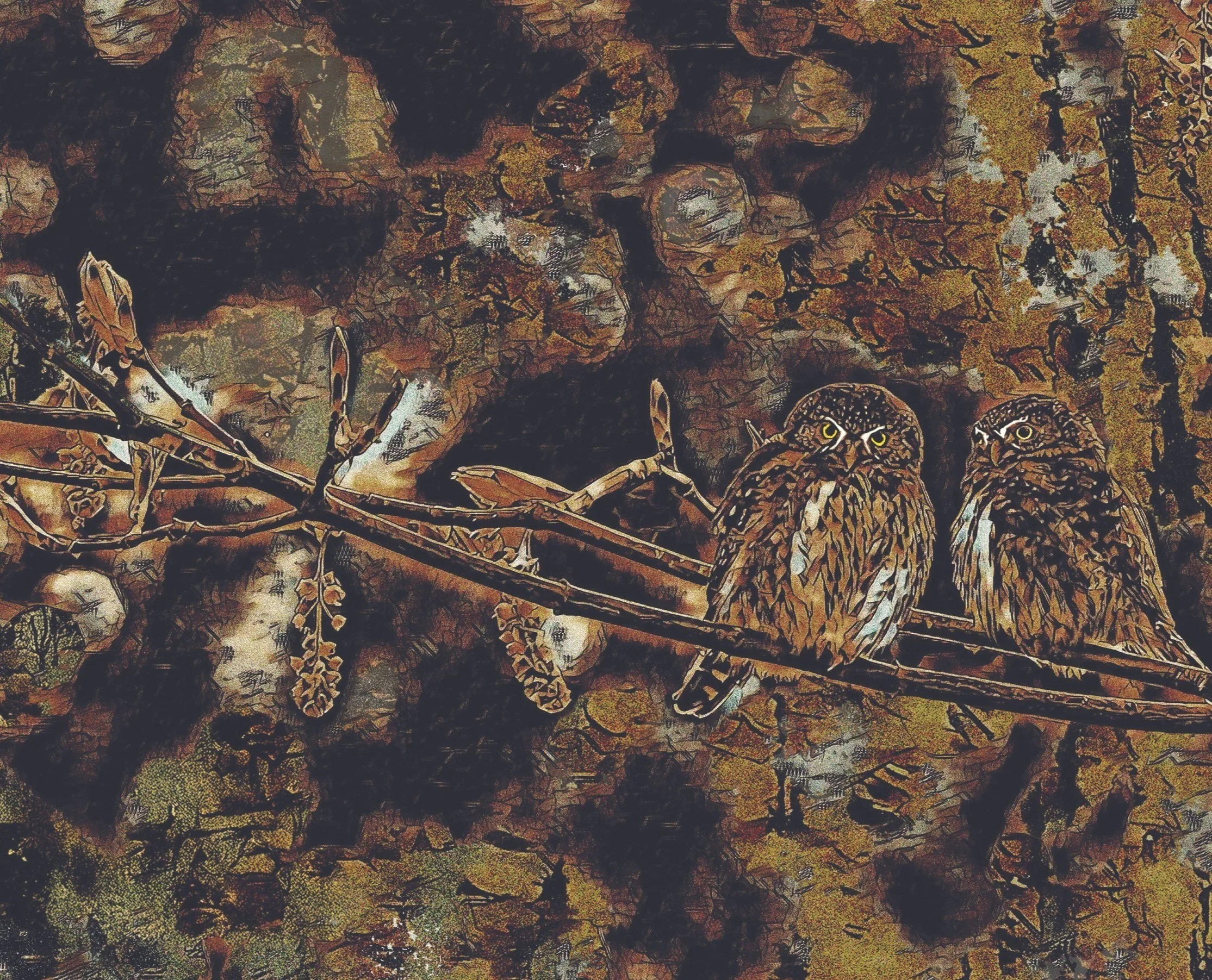
At dawn on a crisp, May morning, Salazar ascends to a sprig atop a towering Doug fir and sings into the open sky above the mile-wide ribbon of densely forested foothills that is Forest Park. Salazar is a pygmy-owl, a feisty two-ounce raptor who has controlled the Saltzman Creek watershed for years. He needs the entirety of it for himself, Salina, and their tiny owlets, if they are going to make it. Nearby, Mandeep, no bigger than a fir cone, sits atop a grand fir and sings back toward Salazar, desperately trying to lure a prospecting female—or Salina—over to his Maple Creek territory. Half a mile to the southeast, Robel is clutching a creeping vole in his talons and calling softly to Rochelle. Her fifth and sixth eggs hatched this morning and she is reluctant to leave the nest. A spring day in the lives of the pygmy-owls of Forest Park has begun.
Immerse yourself in the real-life experiences of three neighboring pairs of Northern Pygmy-Owls in Forest Park (Portland, Oregon) where research into their nesting ecology has opened a window onto their mysterious world. Every owl's fidelity, devotion to offspring, and tenacity are tested as they confront predators, the forces of nature, and one another. Seldom-seen patterns of pygmy-owl behavior and ecology are shown through the owls' natural actions, calls, and songs. The story also explores the wild owls' interactions with humanity, including the author, whose own life story is intertwined with theirs. The fate of each of the owls, their ecology, their voices, and their timeless rivalries are ultimately revealed.
The PYGMY-OWLS of FOREST PARK
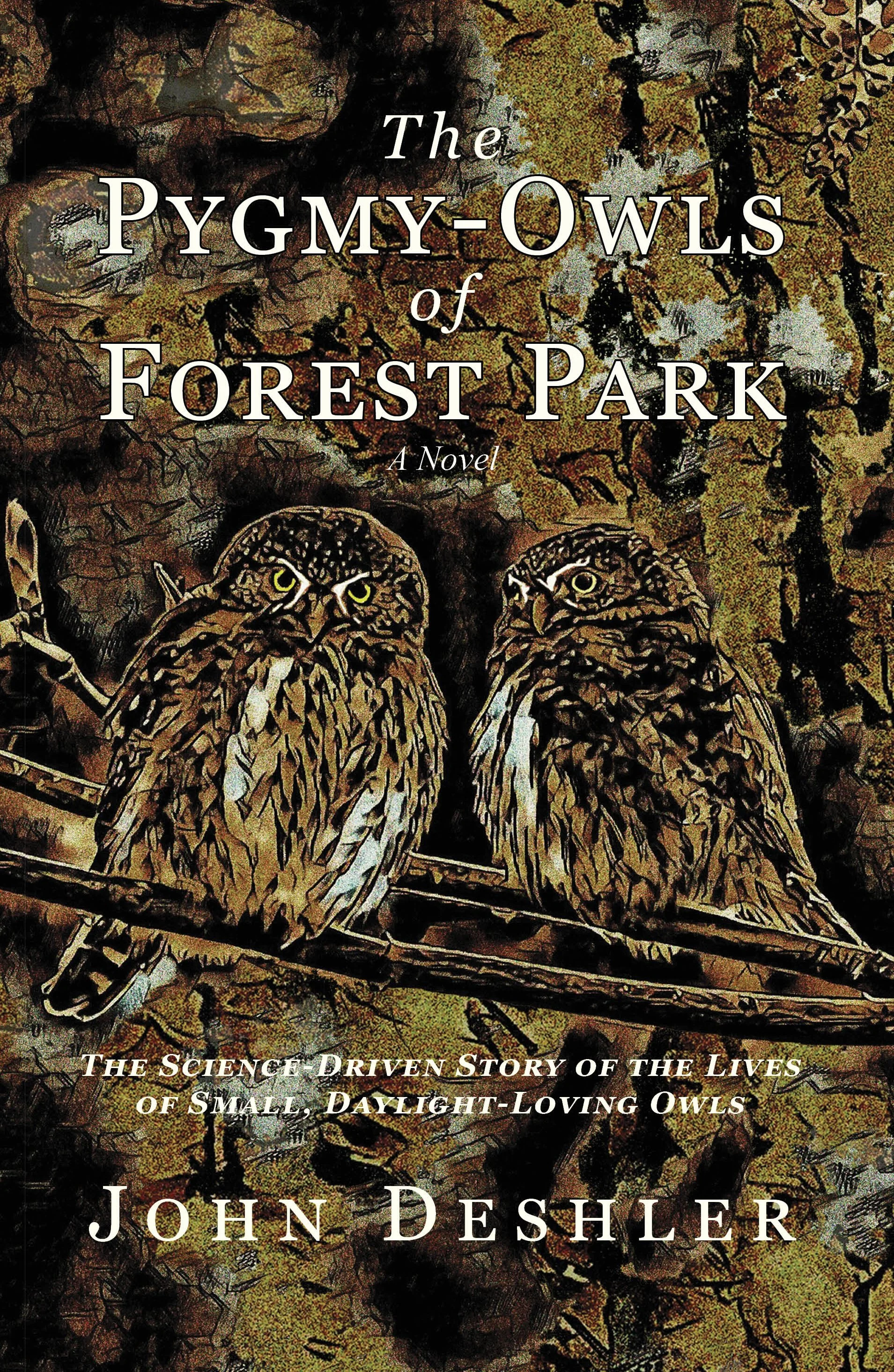
On sale wherever books are sold.
If you have any indecision about where to purchase, I first recommend Bird Alliance of Oregon (formerly Portland Audubon). They’ve supported me in disseminating my research findings and my writing. If you aren’t in Portland, or if BAO is too far a drive, your local bookstore is another great choice. But The Pygmy-Owls of Forest Park may or may not be on the shelves there, and you may find that placing an online order is pretty slow. Although many readers I know are outspoken in their opposition to buying from Amazon (for reasons that I may agree with), I nevertheless think Amazon is an excellent choice. I find that Amazon treats first-time authors like me substantially better, with lower cost “author copies”, lower cost shipping, and substantially higher royalties. Amazon also offers high-quality, cost-effective, print and ship services, and ships books to customers much faster than the other monolithic behemoth of book distribution and sales: Ingram. Ingram is THE global wholesaler that you may never have heard about even though your local bookstore likely orders most of its books through Ingram. FWIW, during the process of creating a book, I was fascinated to learn that 55% of the retain price of a book typically goes to your retailer of choice (though Amazon often takes less); most of the remaining 45% goes to the publisher and distributor/printer/shipper. A relatively unknown author might earn $1 on a traditionally published $20 book, and only after having relinquished all rights of the book to an agent.